What Is It
What Is Paint Correction?
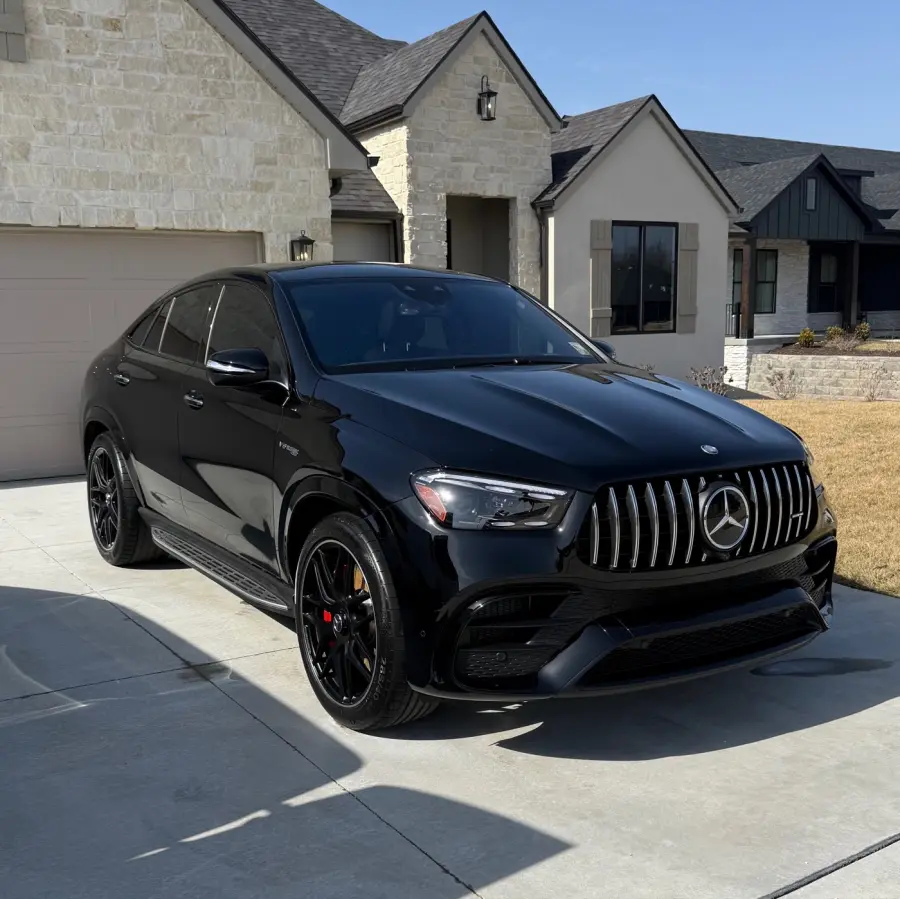
Paint correction is the process of removing imperfections from your vehicle's clear coat using professional-grade machine polishers and abrasive compounds. Swirl marks from automatic car washes, light scratches, water spots, and dullness are all addressed. The result is a level, smooth surface with deep gloss and clarity, often better than when the car was new.
What You Get
What's Included
- ✓Full wash and decontamination
- ✓Paint thickness measurement (gauge reading)
- ✓Machine polishing: compound stage
- ✓Machine polishing: finishing polish stage
- ✓Panel wipe-down with IPA to inspect correction
- ✓Final glaze application
- ✓Carfax reported
How It Works
Our Process
- 01
Wash & Decontaminate
Full wash, clay bar, and iron fallout removal to start with a perfectly clean surface.
- 02
Paint Thickness Check
We gauge paint thickness on every panel to ensure we work safely within the clear coat.
- 03
Compound Stage
Heavy-cut compound on a machine polisher removes the majority of scratches and swirl marks.
- 04
Polish Stage
Finishing polish refines the surface, removes any compound haze, and brings out maximum gloss.
- 05
IPA Inspection
Panels wiped with IPA to remove polishing oils and reveal the true corrected finish.
FAQ
Common Questions
What's the difference between 1-stage and 2-stage correction?
1-stage uses a single polish and removes light swirls. 2-stage uses a compound followed by a finishing polish for deeper correction. We assess your paint and recommend the right approach.
Can all scratches be removed?
Deep scratches that go through the clear coat into the base coat or primer cannot be polished out. They require touch-up paint. Most swirls and light scratches can be fully corrected.
Will the correction last?
The correction is permanent. The removed imperfections don't come back. However, new swirls can form from future washes if proper washing technique isn't used. We recommend following with a ceramic coating for lasting protection.
How do I know if my paint needs correction?
The best test: look at your paint in direct sunlight or under a single light source. If you see circular haze or fine scratches in the reflection, your paint needs correction.